March 18 · 19 · 20, Chisasibi

Community
Leadership Dialogue

Realigning our resources, efforts, and knowledge to create something stronger and more meaningful for the Cree Nation.

Scroll to discover

A Unified Vision

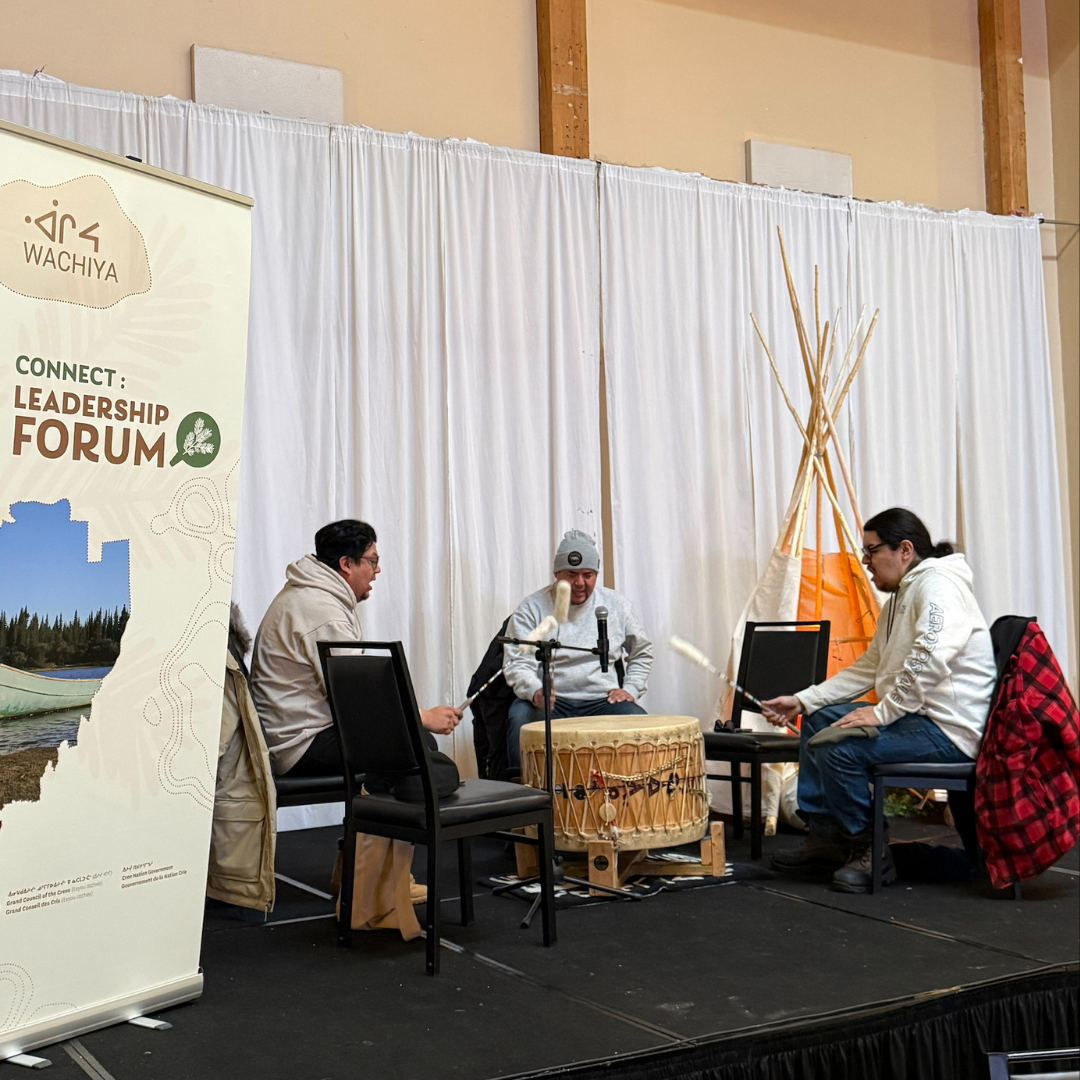
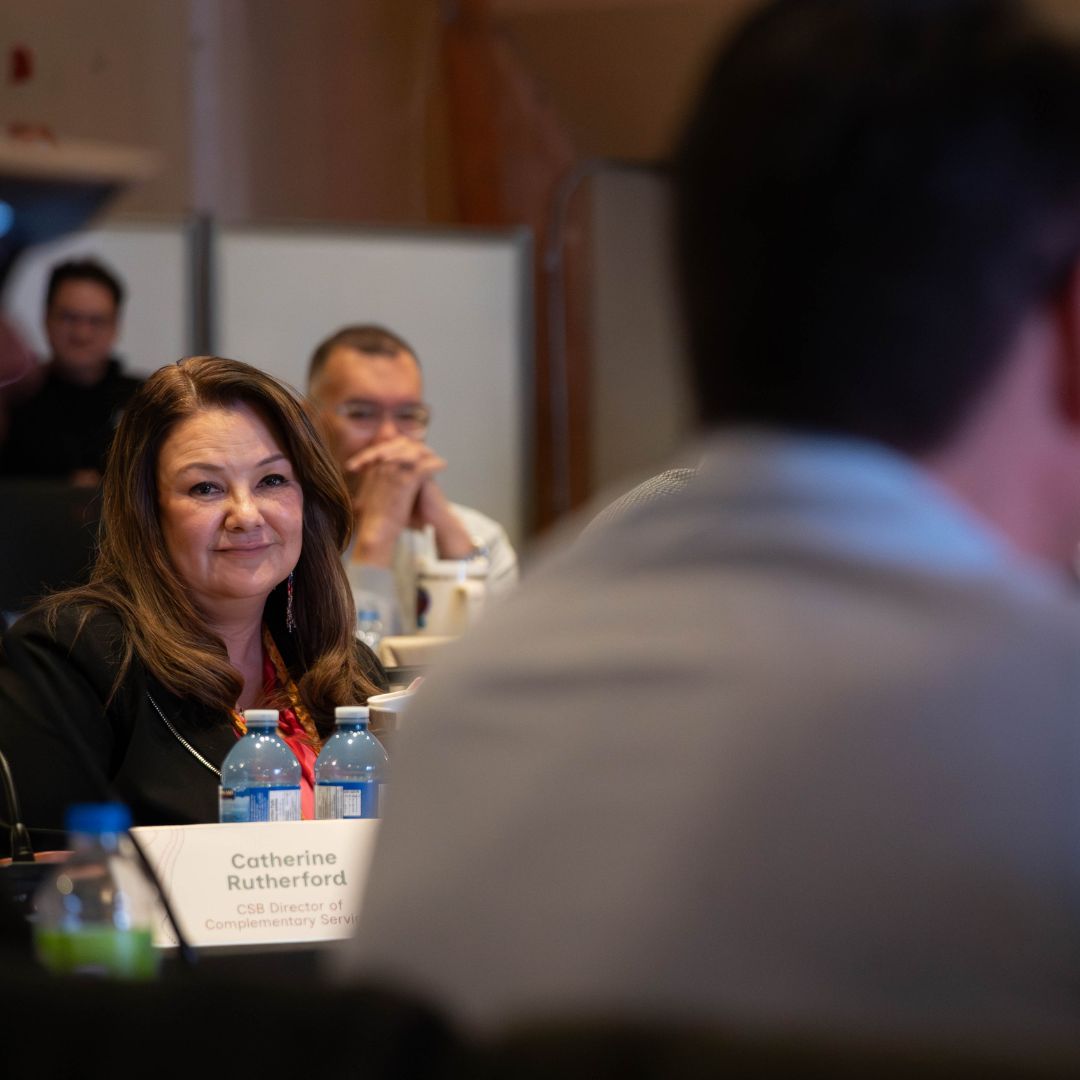
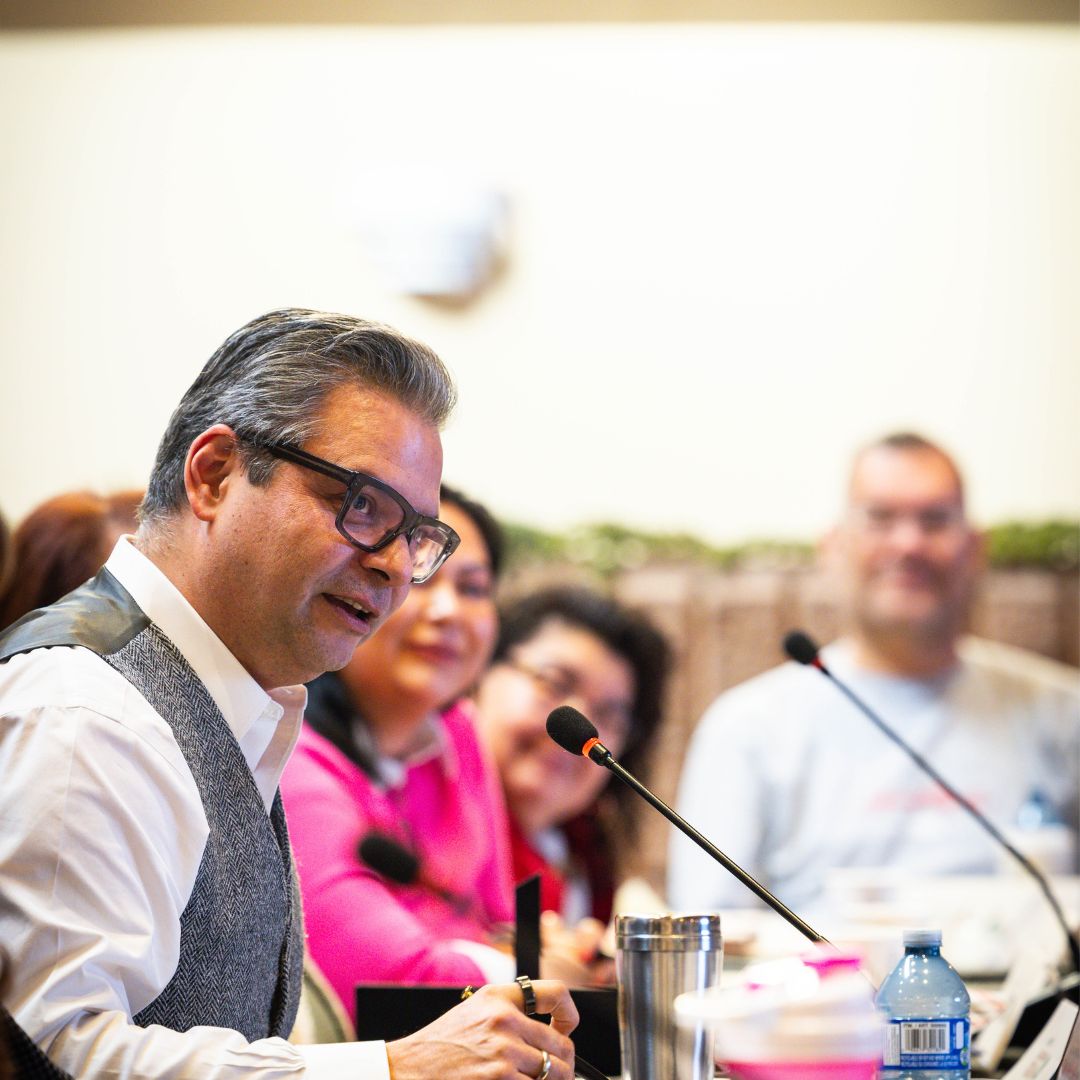
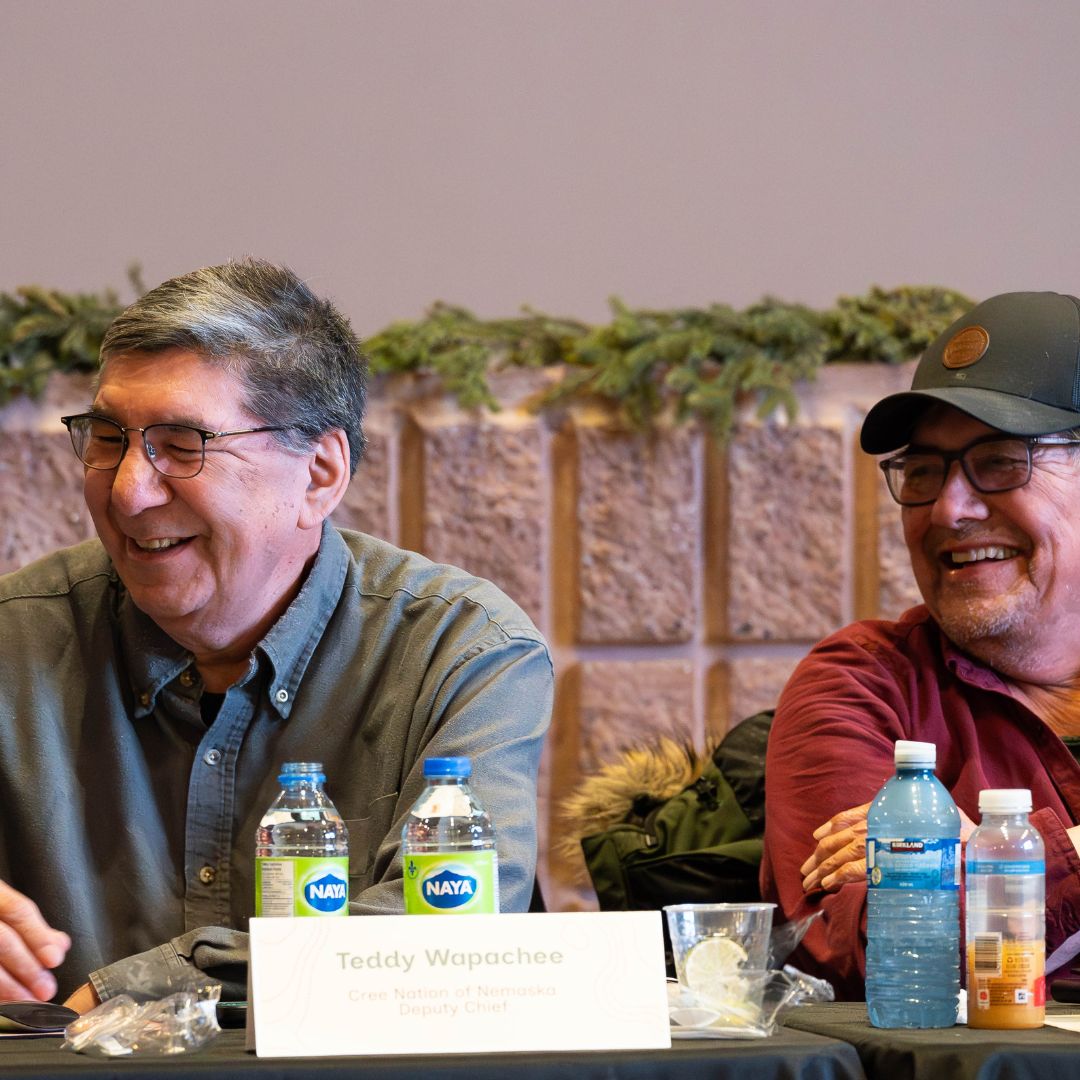
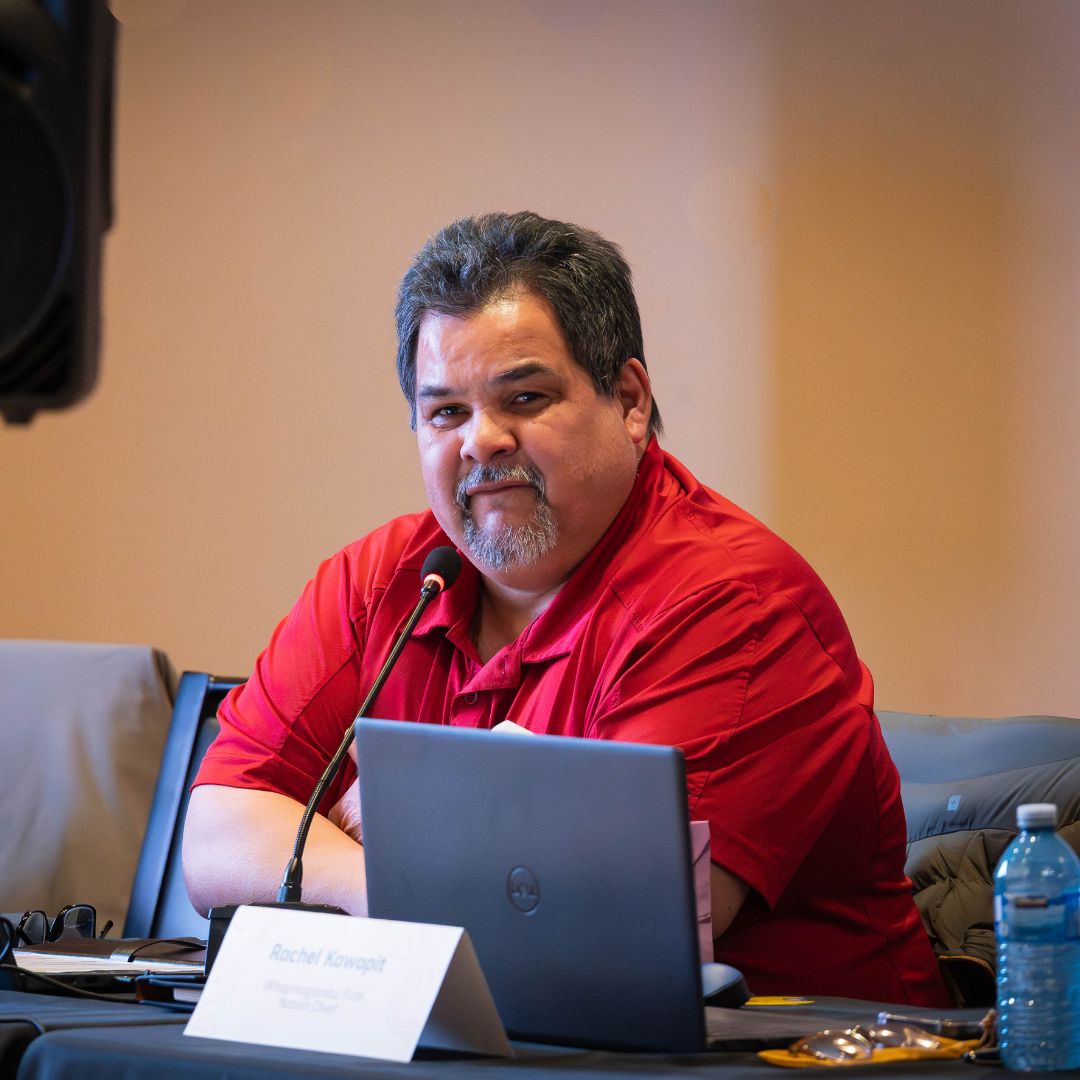
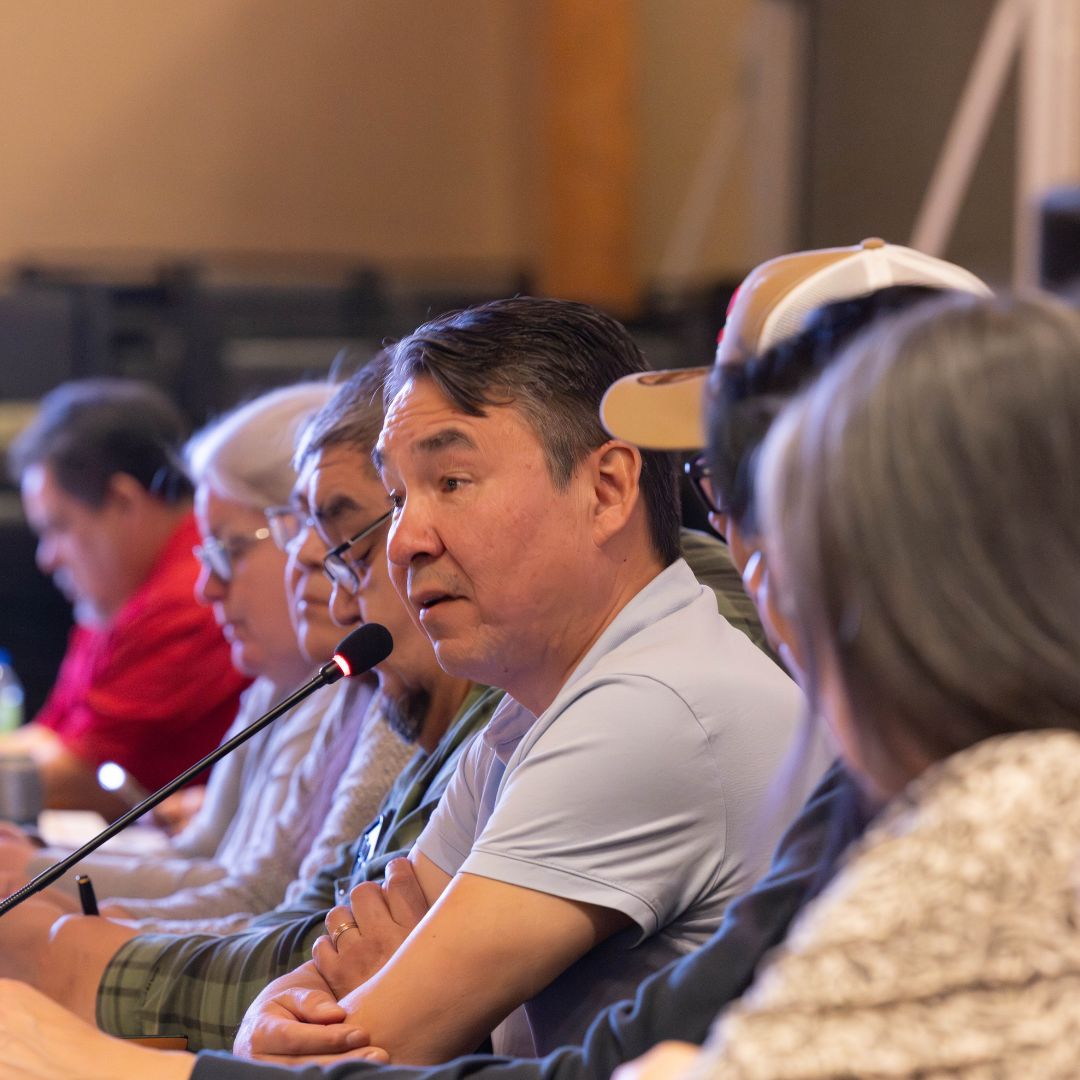
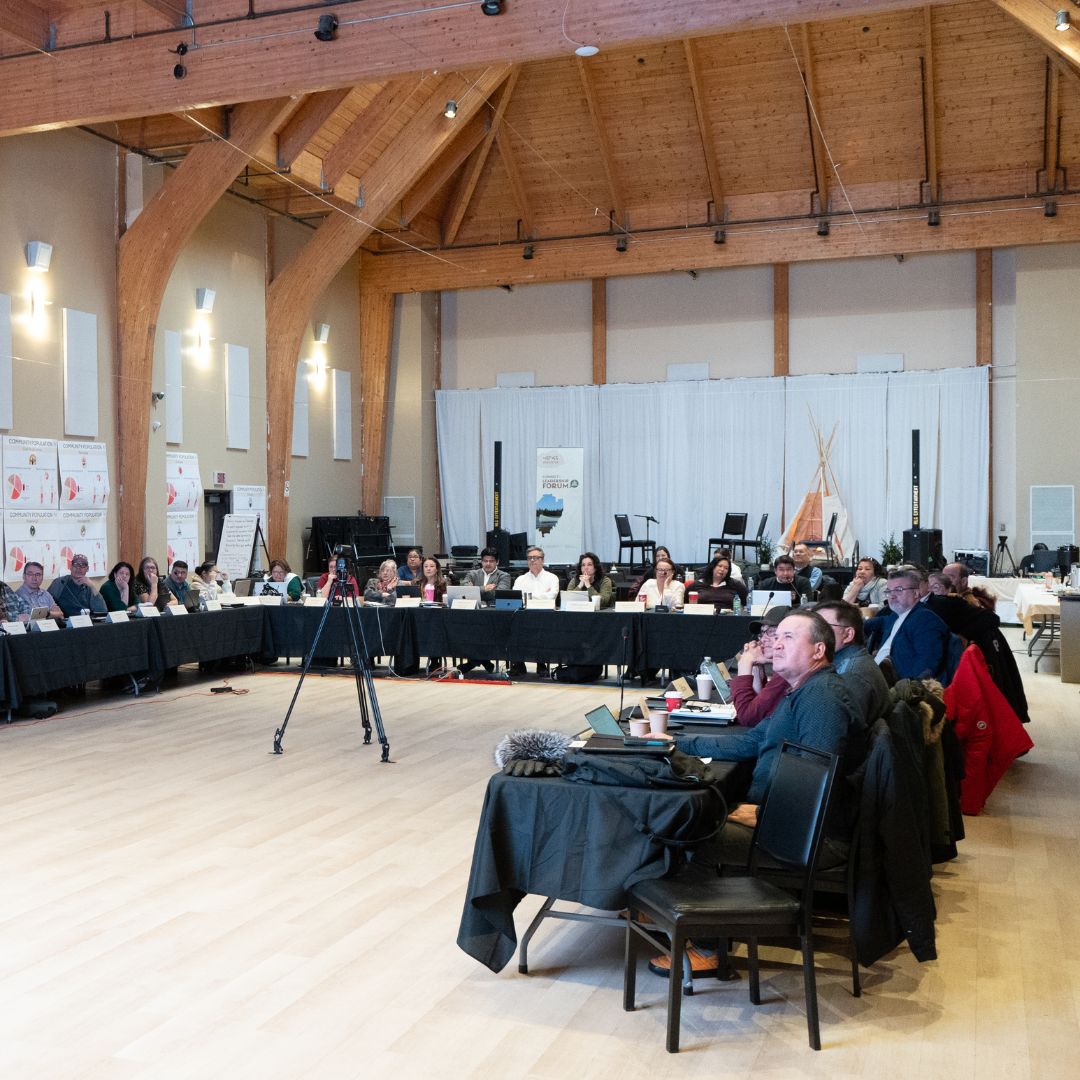
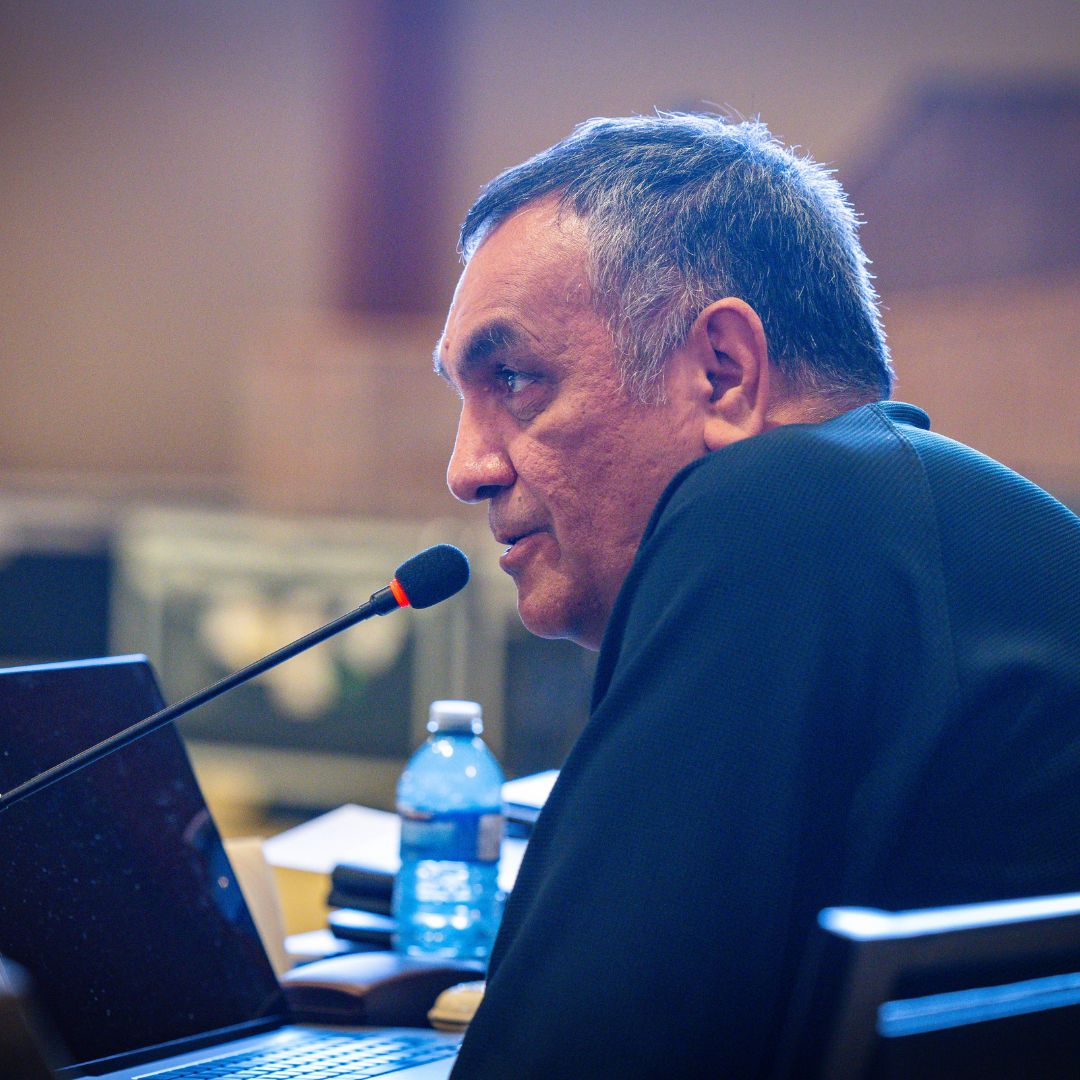
The Connect Leadership Forum brought together leaders from across Eeyou Istchee (Cree Nation Government, Cree Health Board, Cree School Board, and local Chiefs and representatives) to directly address the pressing social challenges in our communities.

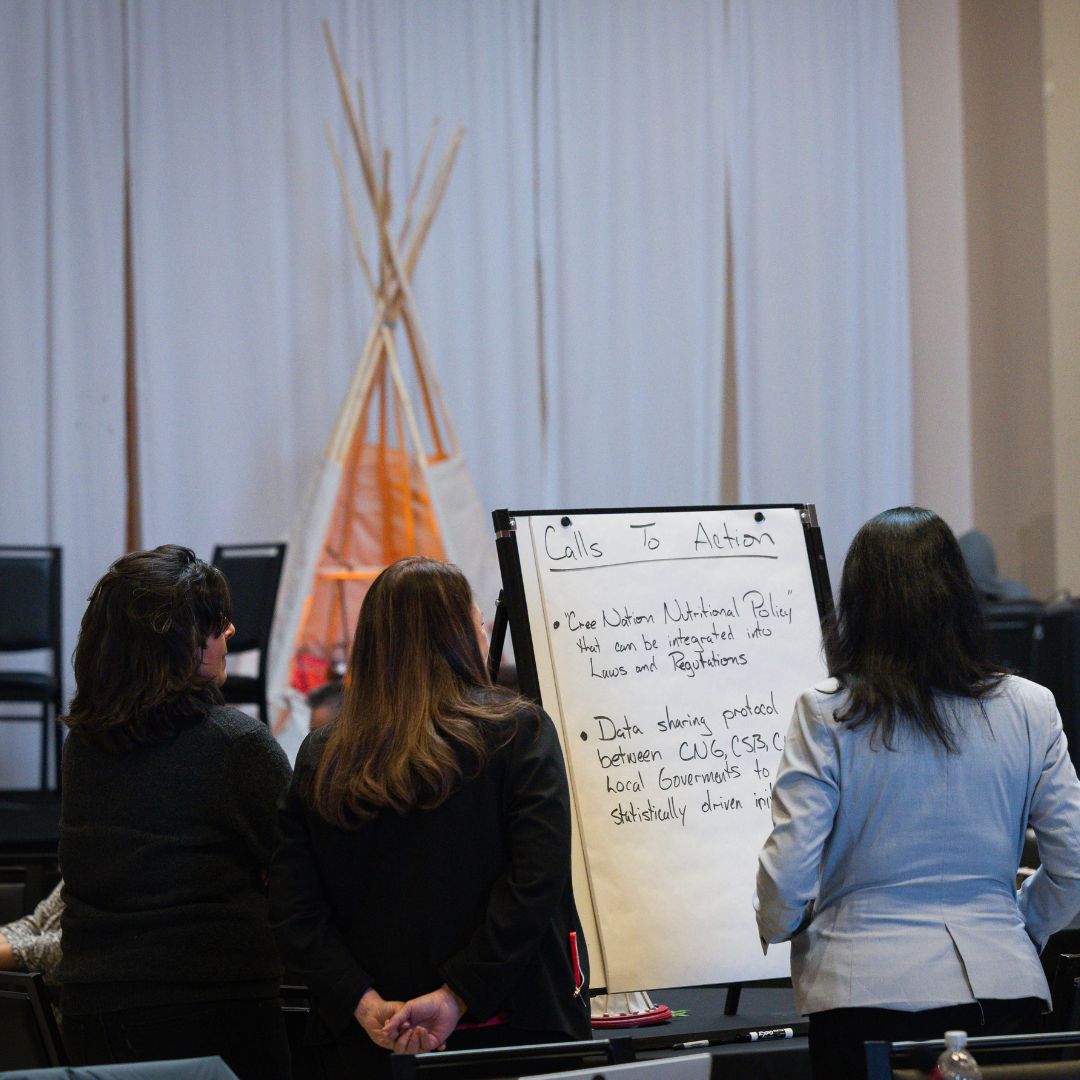
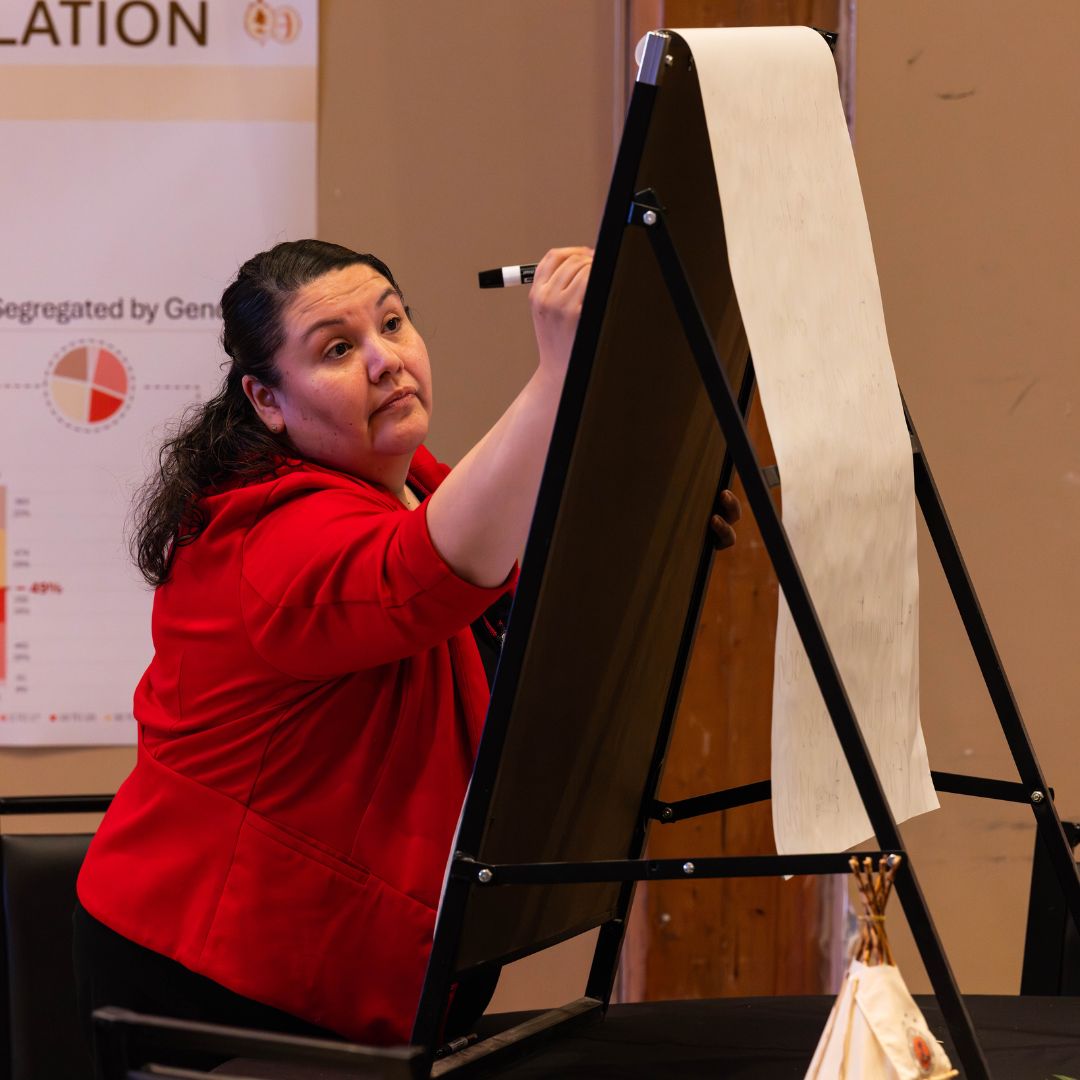
Instead of working in silos, the focus was clear: understand each other's institutions, identify concrete calls-to-action, and build trust to confront issues like housing shortages, addictions, youth struggles, and healing from historical trauma.

Breaking Silos

"We cannot take for granted that we know each other's institutions. We need to spend time getting to know each other's institutions."

— Grand Chief Paul John Murdoch

Key Themes

Nine interconnected themes from the Connect Forum Report — 36 consolidated Calls to Action for coordinated change across Eeyou Istchee.

Governance, Coordination & System Integration

Establish a permanent coordination table, shared protocols, and accountability mechanisms so institutions move from siloed mandates to integrated action.

Housing, Infrastructure & Basic Needs

Implement Housing First approaches with wraparound supports, align policies across entities, and remove barriers for returning graduates and workers.

Health, Wellness & Prevention Systems

Shift from crisis response to prevention, build a continuum of care from detox through aftercare, and normalize access to mental health and addiction services.

Food Security, Nutrition & Traditional Practices

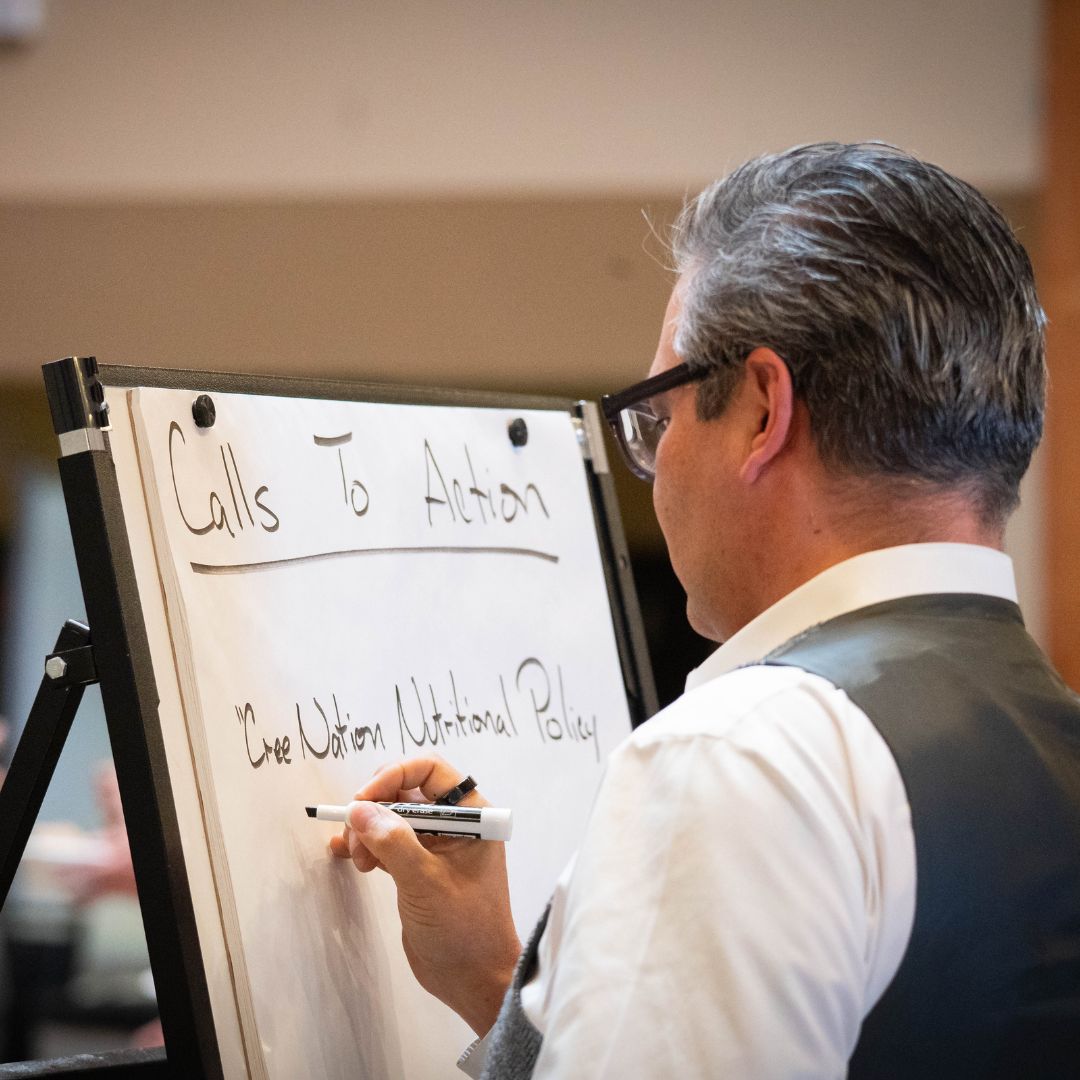
Develop a Cree Nation Nutritional Policy, strengthen traditional food sharing networks, and address food insecurity through coordinated community solutions.

Family, Parenting & Early Intervention

Coordinate early identification for at-risk families, provide in-home wraparound supports, and promote shared community responsibility in raising children.

Youth, Education & Capacity Development

Align education with Cree culture and community realities, strengthen attendance strategies, and create pathways to retain and bring back talent.

Justice, Safety & Community Protection

Strengthen restorative justice and reintegration supports, improve enforcement on drugs and crime, and develop a coordinated community safety framework.

Culture, Identity & Community Well-Being

Promote Cree language and land-based practice through education, strengthen the role of Elders and Nishiiyuu knowledge transfer, and build community pride.

Economic Development, Workforce & Inclusion

Align workforce training and economic development with local employment needs, inclusive growth, and pathways for youth and returning graduates.

Proposed Calls to Action

Thirty-six consolidated recommendations across nine themes from the Connect Leadership Forum report.

Governance, Coordination and System Integration

  1. 1Establish a permanent interagency coordination table with designated representatives and a central coordinator.
  2. 2Develop a regional partnership framework with clear roles, accountability, and aligned mandates.
  3. 3Create integrated communication, data-sharing protocols, and a centralized information system.
  4. 4Establish formal follow-up, reporting, and accountability mechanisms with defined timelines and KPIs.
  5. 5Align funding priorities to include Community Health and Safety and reduce bureaucratic barriers to access.

Housing, Infrastructure and Basic Needs

  1. 6Implement a Housing First approach grounded in equity, needs-based allocation, and depoliticized decision-making.
  2. 7Align housing policies across regional entities and link housing to income, employment, and family stability.
  3. 8Integrate housing with wraparound supports, including wellness, addictions, financial literacy, and employment.
  4. 9Remove systemic barriers to housing, including for returning graduates and workers.

Health, Wellness and Prevention Systems

  1. 11Shift all sectors from crisis response to prevention-based, holistic wellness approaches.
  2. 12Establish a coordinated continuum of care from crisis to treatment, recovery, reintegration, and aftercare.
  3. 13Implement joint case management and shared responsibility for high-risk individuals and families.
  4. 14Expand access to mental health, addiction services, detox, and long-term aftercare supports.
  5. 15Develop mentorship, reintegration, and life-skills pathways for individuals in recovery.
  6. 16Normalize and de-stigmatize access to services and support.

Food Security, Nutrition and Traditional Practices

  1. 17Develop and implement a Cree Nation Nutritional Policy integrated into laws, programs, and education systems.
  2. 18Strengthen access to healthy and traditional foods through community systems such as freezers and sharing networks.
  3. 19Establish local frameworks for the distribution, sharing, and sustainability of traditional food.
  4. 20Address food insecurity and cost of living through coordinated, community-driven solutions.

Family, Parenting and Early Intervention

  1. 21Implement coordinated early identification and intervention systems for at-risk families across sectors.
  2. 22Provide integrated, in-home wraparound supports including parenting, mental health, and financial guidance.
  3. 23Embed parenting education and life skills into schools, early childhood, and community programs.
  4. 24Promote shared community responsibility in raising children and supporting families.

Youth, Education and Capacity Development

  1. 25Align education systems with Cree history, governance, culture, and community realities.
  2. 26Develop accessible post-secondary, online, and career pathways aligned with local workforce needs.
  3. 27Strengthen youth systems including attendance strategies, youth councils, and transition supports for youth in care.
  4. 28Create structured pathways to retain and bring back talent to communities.

Justice, Safety and Community Protection

  1. 29Strengthen community-based justice systems, including justice committees and Cree-led restorative justice models.
  2. 30Improve reintegration, addiction support, and accountability systems for offenders while prioritizing victim safety.
  3. 31Strengthen enforcement and prevention related to drugs, bootlegging, gun safety, and community crime.
  4. 32Develop a coordinated community safety framework supported by data and inter-agency collaboration.

Culture, Identity and Community Well-Being

  1. 33Promote Cree language, culture, and land-based practices through education and community initiatives.
  2. 34Strengthen the role of Elders, cultural programming, and knowledge transfer initiatives such as Nishiiyuu.
  3. 35Promote community pride, responsibility, and cultural awareness among both local and non-local populations.

Economic Development, Workforce and Inclusion

  1. 36Align economic development, workforce training, and partnerships to support inclusive growth, strong work ethic, and local employment opportunities.

Event Resources

Access presentations, documents, and the three-day agenda materials.

The full Connect Forum Report consolidates 83 draft Calls to Action into 36 refined recommendations across nine themes — from governance and housing to culture and economic inclusion.

Highlights include opening prayers, welcoming remarks, and leadership dialogue on community violence and addictions.

Action planning, resource realignment, and closing remarks around the community framework. Materials will be added when available.

Browse presentations and materials organized by action area, department, and priority in the Resource Hub.

Open Resource Hub

"We have to stop waiting on crisis to happen in order to do something."

The time for siloed approaches is over. The Connect Forum signifies a new, unified commitment across Eeyou Istchee to tackle our challenges together. Access the full report and event materials below.

Report Resource Hub